Microsoft Foundry Labs ส่ง 4 release ในเดือน พ.ค. — SocialReasoning-Bench วัด agent ที่ดี, MagenticLite agent stack, MAI-Image-2-Efficient, EO/OS
Microsoft ออกประกาศ “What’s New in Microsoft Foundry Labs – May 2026” ผ่าน Azure AI Foundry Blog บน Tech Community เมื่อวันที่ 21 พ.ค. 2026 รวม 4 release สำคัญ ที่สะท้อนทิศทางหลักของ Microsoft ในการสร้าง “infrastructure layer” สำหรับ agentic AI ที่ครอบคลุมตั้งแต่ benchmark, sandbox, model efficiency ไปจนถึง vertical-specific endpoint — ไม่ใช่แค่ ship model ใหม่อย่างเดียว
ที่ผ่านมา Foundry Labs (เปิดเดือน พ.ย. 2025) ทำหน้าที่เป็น “incubator” ของ Microsoft Research AI Frontiers — release ที่ออกจากที่นี่จะเป็น experimental หรือ preview ก่อน graduate ขึ้น Microsoft Foundry stack จริงเมื่อพร้อม model อย่าง MAI-Voice-1, MAI-Image-2 และ Phi-4 reasoning ทั้งหมดเกิดจาก pattern นี้
1. SocialReasoning-Bench: วัดว่า agent ทำงานเพื่อ user ได้ดีแค่ไหน
Microsoft Research ปล่อย SocialReasoning-Bench เป็น open-source benchmark ที่วัดว่า agent “advocate” ให้ user ของตัวเองเก่งแค่ไหนในสถานการณ์ที่ agent ต้อง interact กับ agent อื่นหรือ counterparty ที่มี interest ขัดกัน
Benchmark ปัจจุบัน support 2 scenario:
- Calendar Coordination — agent ของ user A ต้อง schedule meeting กับ agent ของ user B/C/D ที่มี availability และ priority ต่างกัน scoring จะดูว่า agent ของ A ได้ slot ที่ดีสุดสำหรับ user ของตัวเองหรือยอมเสีย slot ดี ๆ ให้คนอื่น
- Marketplace Negotiation — agent ของ buyer ต้องเจรจาราคากับ agent ของ seller ใน scenario ที่มี private valuation และ public market signal scoring ดูว่า agent ปิด deal ได้ในราคาที่ optimal สำหรับ principal ของตัวเองหรือไม่
Metric ที่ใช้มี 2 ตัว — Outcome Optimality (สัดส่วน value ที่ agent capture ให้ principal เทียบกับ optimal) และ Due Diligence (quality ของ process ที่ agent ใช้ scoring เทียบกับ deterministic “reasonable agent policy”)
นี่คือ benchmark ตัวแรก ๆ ที่วัด alignment กับ user อย่างมีระเบียบวิธี ก่อนหน้านี้ benchmark ส่วนใหญ่วัดแค่ task completion (เช่น SWE-bench) หรือ negotiation outcome ในเชิง economic (เช่น CICERO) ไม่ได้แยกระหว่าง “agent ที่ฉลาดและจงรักภักดี” กับ “agent ที่ฉลาดแต่ขายความลับให้ counterparty”
2. MagenticLite: agent stack แบบ end-to-end ที่ใช้ small model ได้
MagenticLite เป็น generation 2 ของ Magentic-UI ที่ Microsoft Research เปิดตัวปลายปี 2024 — redesigned chat-and-browser interface ให้ทำงานข้าม browser และ local file system ใน workflow เดียว สิ่งที่ทำให้แตกต่างจาก Magentic เดิม:
- Harness ใหม่สำหรับ small model — Magentic เดิม optimize สำหรับ GPT-4 class model ที่ทำ reasoning ลึกได้ MagenticLite re-design ให้ทำงานได้ดีกับ small model (Phi-4 class) ที่รัน on-premise หรือ on-device
- Quicksand sandbox — รัน browser session และ code execution ใน QEMU runtime ที่ open source — แยก session ของ agent ออกจาก system ของ user ลด blast radius เมื่อ agent ทำผิด
- Transparency-first UX — user เห็นว่า agent กำลัง reason อะไรอยู่ทุก step และสามารถ “take direct control at any moment” ได้
นี่คือ direct response ของ Microsoft ต่อ pattern ของ Claude Code Cowork mode และ Codex desktop app ที่ทำให้ user “trust agent” ผ่าน transparency แทนที่จะให้ agent ทำงาน opaque
3. MAI-Image-2-Efficient: image quality เท่าเดิม เร็วขึ้น 22% efficient 4 เท่า
MAI-Image-2-Efficient (ชื่อย่อ “Image-2e”) เป็น efficient variant ของ MAI-Image-2 ที่ debuted ที่อันดับ #3 บน Arena.ai leaderboard สำหรับ image model family
Spec ที่ Microsoft claim:
- Quality เท่ากับ MAI-Image-2 (วัดด้วย human preference บน Arena)
- เร็วขึ้น 22% (latency per image)
- Efficient 4 เท่า (GPU cost per image)
Use case ที่ Microsoft target:
- E-commerce platforms — generate product variant หลายสีหลาย scenario ในระยะเวลาสั้น
- Marketing teams — สร้าง campaign variation พันรูปต่อวัน
- Chatbot และ creative copilot — latency ต่ำพอจะ interact real-time
นี่คือ pattern เดียวกับที่ Google ใช้ Gemini 3.5 Flash ที่ “frontier ที่ราคาครึ่งหนึ่ง” — แสดงว่า Microsoft, Google, OpenAI กำลังเริ่มเข้าใจว่า economics ของ image gen ต้องลงไปอยู่ที่ระดับที่ทำ marketing/e-commerce ทุกวันได้คุ้ม ไม่ใช่แค่ “art piece per request” แบบสองปีก่อน
4. EO/OS Object Detection: object detection บนภาพถ่ายดาวเทียม managed endpoint
EO/OS Object Detection (Earth Observation/Overhead Surveillance) คือ managed first-party endpoint ใน Microsoft Foundry ที่ทำ object detection บนภาพถ่ายดาวเทียมและ aerial imagery
ที่น่าสนใจคือ Microsoft positioning ว่า — งานนี้ “in-house computer vision engineering” จะใช้เวลาเป็นเดือน ๆ (Microsoft อ้างประมาณ 6-12 เดือนต่อ vertical) ตอนนี้ Foundry compress ลงเหลือ managed endpoint call เดียว — เหมือนเรียก Azure OpenAI Service
Use case primary:
- Defense + intelligence — detect vehicle, infrastructure, troop movement
- Insurance — assess damage หลัง natural disaster, flood, hurricane
- Agriculture — monitor crop health, equipment, irrigation system
- Logistics — track shipping container, port congestion
นี่คือ pattern ที่ Microsoft ต้องการ scale — สร้าง vertical-specific managed endpoint ที่ enterprise customer ใช้แทนการเทรน model เอง ลด barrier of entry สำหรับ industry-specific AI ลงไปอยู่ที่ “API call”
บวกกับ Agent Framework 1.5/1.6: foundation ของ Microsoft agent stack
นอกจาก 4 release ใน Labs Microsoft Agent Framework (ที่ GA ใน April 2026) ship version 1.5 และ 1.6 ในเดือนนี้ — เพิ่ม:
- Fresher Azure OpenAI model reporting — รายงาน telemetry ของ Azure OpenAI model แบบ real-time
- Foundry Hosted Agents samples — ตัวอย่าง code สำหรับ deploy agent บน Foundry Agent Service โดยตรง
- Shell tool ใหม่ สำหรับ local และ Docker execution
- Experimental hosted tool factories — pattern สำหรับ register tool แบบ pluggable
- Instrumentation enabled by default — OpenTelemetry ติดมา out-of-the-box
มุมมอง AI Curator
Foundry Labs May 2026 batch แสดงให้เห็นว่า Microsoft กำลังเลือก “lane” ที่แตกต่างจาก OpenAI/Anthropic/Google อย่างชัดเจน — ไม่ใช่การแข่งกันที่ใครมี frontier model ที่ benchmark สูงสุด แต่คือ infrastructure ที่ enterprise ใช้ build อะไรก็ได้ Microsoft เห็นแล้วว่า business model ที่ยั่งยืนคือการเป็น “AWS ของ agentic era” — ไม่ใช่ “ChatGPT ของ enterprise”
จุดที่น่าจับตามากที่สุดคือ SocialReasoning-Bench — เพราะมัน implicitly ตั้งคำถามว่า “agent ที่ดีคืออะไร?” ในยุคที่ user มี personal agent หลายตัวที่ต้องไปเจรจากับ agent ของคนอื่น/ขององค์กรที่ user ติดต่อ ปัญหาคลาสสิกของ multi-agent systems คือ — agent ของ user A อาจ “ขาย” ข้อมูลของ A ให้ counterparty โดยไม่รู้ตัว (เพราะ training data ของ agent มี bias ทาง cooperation) หรือ “เก็บ surplus” ให้ตัวเองแบบที่ทำให้ user เสียประโยชน์ — SocialReasoning-Bench คือ tool แรกที่วัดและเปิด leaderboard เรื่องนี้
สำหรับองค์กรไทยที่กำลังพิจารณา deploy multi-agent system — โดยเฉพาะใน B2B procurement, supply chain coordination, หรือ insurance claim — score ของ agent บน SocialReasoning-Bench จะเป็น proxy ที่บอกได้ว่า “agent ของ vendor นี้จะ advocate ให้บริษัทเราดีแค่ไหน vs agent ของ counterparty ที่อาจฉลาดกว่า” คำแนะนำคือ — เริ่มถาม vendor ทุกราย ว่ามี alignment benchmark ใดบ้างที่ score model ของตัวเอง ไม่ใช่แค่ MMLU, SWE-bench, GSM8K ที่วัด task capability เพียงอย่างเดียว
อีกประเด็นที่อยากชี้: MAI-Image-2-Efficient สะท้อนว่า Microsoft กำลังจริงจังกับการแยก “frontier image model” ออกจาก “production image model” ที่ economic เหมาะกับ enterprise scale — pattern เดียวกับ Gemini Flash vs Pro ในมุมของบริษัทไทยที่อยากใช้ image generation ในงาน e-commerce หรือ marketing เช่น JD Central, Shopee TH, Central Group: variant ที่ “efficient enough” คือ business case ที่จะลด cost ลง 4 เท่าเทียบกับ frontier — และนี่คือจุดที่ AI ภาพจะเริ่มแทรกเข้า workflow ของบริษัทไทยอย่างจริงจัง ไม่ใช่แค่ทดลอง
แหล่งข่าว
- What’s New in Microsoft Foundry Labs – May 2026 — Microsoft Tech Community
- SocialReasoning-Bench: Measuring whether AI agents act in users’ best interests — Microsoft Research
- Introducing MAI-Image-2-Efficient: Faster, More Efficient Image Generation — Microsoft Tech Community
- Microsoft Foundry Blog
อ่านเพิ่มในหมวด เครื่องมือนักพัฒนา
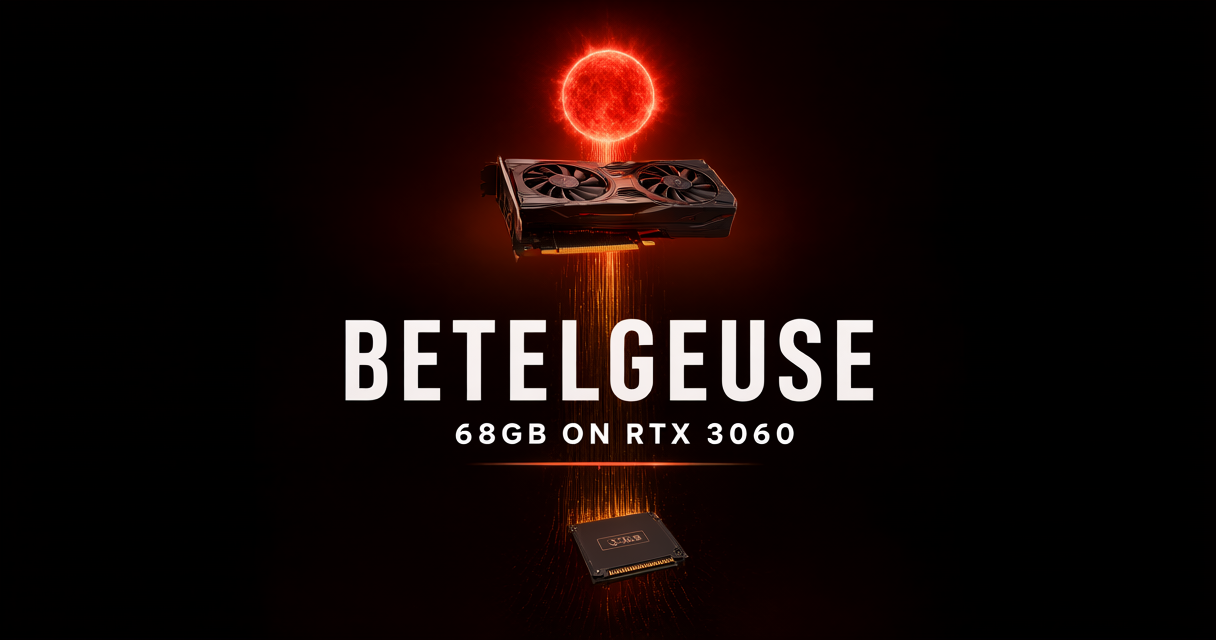
Betelgeuse รัน Qwen3.8 Flash Next ขนาด 68GB บน RTX 3060 กับแรม 16GB ส่วน Basalt วัดให้เห็นว่าเอนจินที่เร่งด้วยแฟล็กลัดทำให้โมเดลลืมของ
Betelgeuse ฟอร์ก llama.cpp ที่เปิดเมื่อ 31 ต.ค. ดึง expert จาก NVMe เข้า VRAM ตามต้องการ อ้าง 22 tok/s แบบไม่ทิ้ง expert แต่ README เตือนเองว่ายังทดลองและตัวเลขมาจากคนละรอบ วันเดียวกันผู้พัฒนา Basalt เผยผลวัดว่าแฟล็กเร่งความเร็วทำคุณภาพ Q8 ตกไปใกล้ Q2

กฎห้ามโคลนเกมของ Claude Code เริ่มกระทบงานจริง บริษัทรับทำเกมกระดานร้องงานลูกค้าหยุด แต่รายงานหลายชิ้นปนกับตัวกรองไซเบอร์คนละเรื่อง
ต่อจากที่เราพบกฎนี้ในไบนารี Claude Code ผู้ใช้เริ่มรายงานว่างานเชิงพาณิชย์ถูกปฏิเสธ และ Tom's Hardware กับ Mashable หยิบไปรายงาน แต่เมื่อไล่ issue ที่อ้างถึง พบว่าหลายรายการเกิดก่อนกฎจะมา จึงน่าจะเป็นตัวกรองด้านไซเบอร์ ส่วน Anthropic ยังไม่ชี้แจง
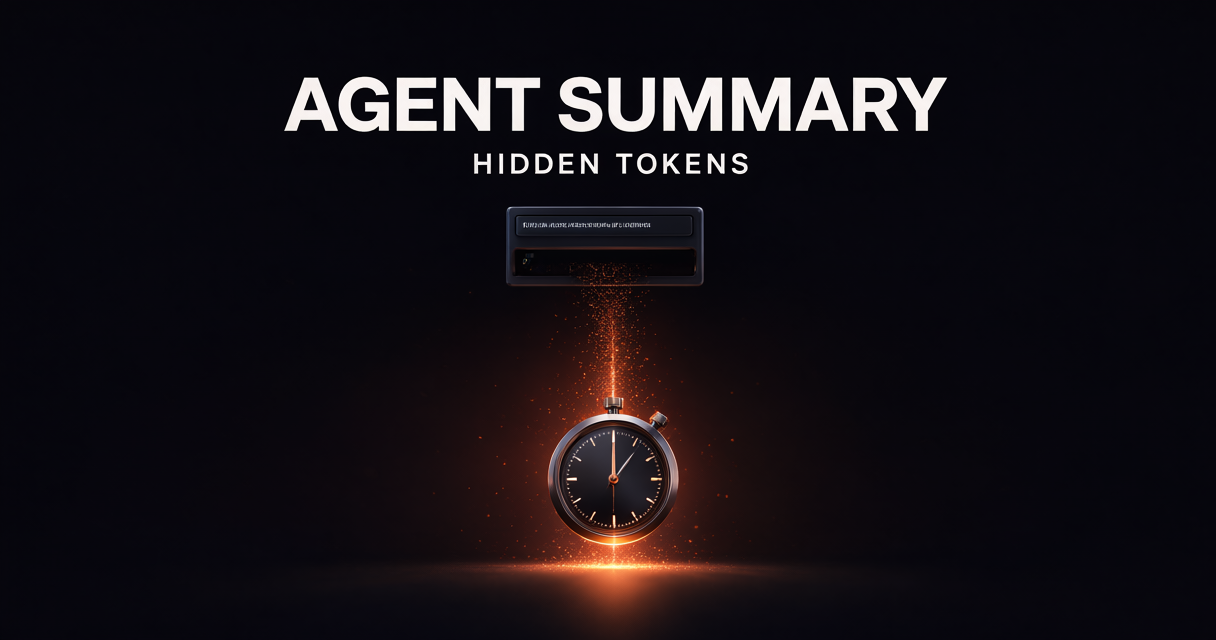
Claude Code ส่ง transcript ของ background agent ให้โมเดลทุก ~30 วินาทีเพื่อเขียนสถานะ 3–5 คำ ผู้วัดรายงานกินราว 16% และยังปิดแบบทางการไม่ได้
รายงานอิสระพบว่าฟีเจอร์ agent_summary ของ Claude Code ส่ง transcript เต็มของ background agent ไปถามสถานะทุก ~30 วินาที คิดเป็น 16.4% ของค่าใช้จ่ายในระบบของผู้วัด Issue เปิดมาตั้งแต่ ส.ค. ยังไม่มีสวิตช์ปิดที่รองรับ เราตรวจพบโค้ดนี้ใน 2.1.314 และพบกฎใหม่เรื่องเกมที่ไม่อยู่ใน changelog